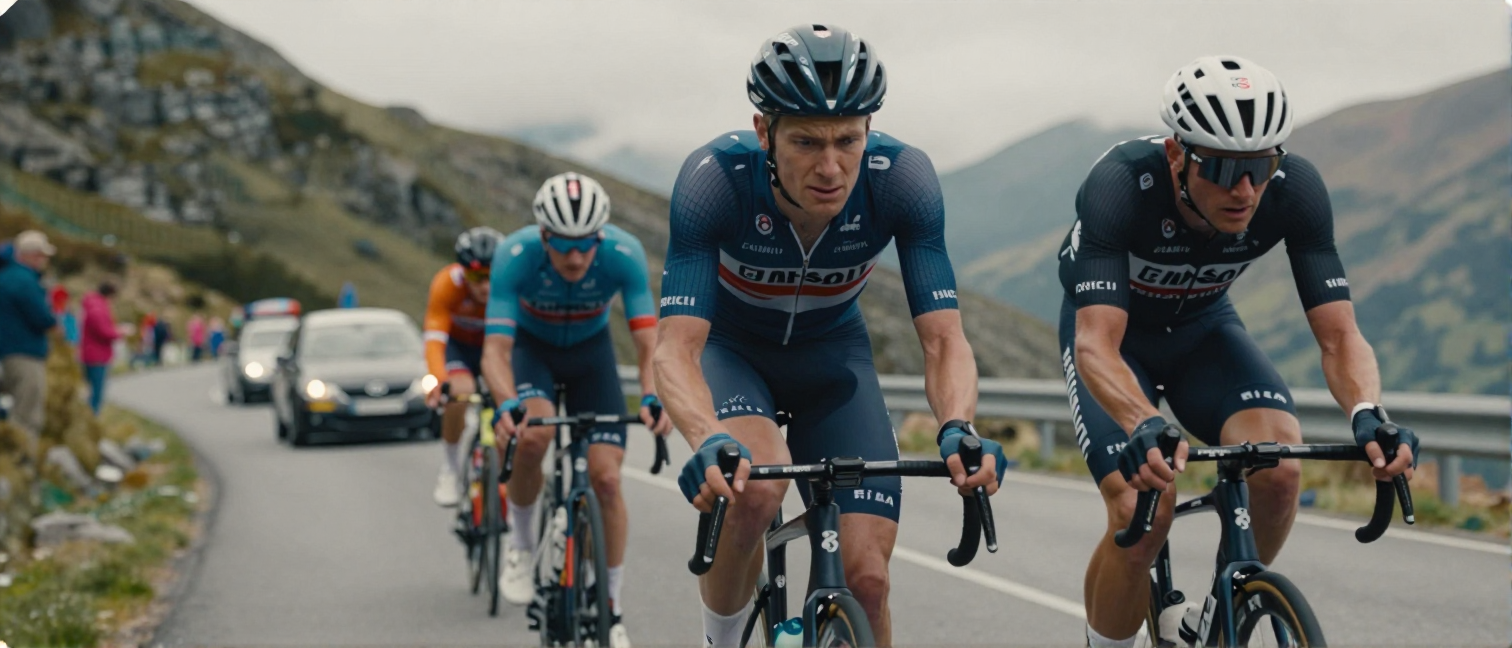
Chris Froome stunned fans on 8 July 2026 by reaffirming his claim as Britain’s premier Grand Tour rider, despite whispers that his career should have ended years ago. The former four‑time Tour de France champion posted a powerful ride in a charity criterium, finishing ahead of a field that includes rising British talent. His performance reignited conversation about his legacy and future in professional cycling.
Why is Froome still competing?
After a long battle with health issues and a high‑profile crash in 2022, many expected Froome to hang up his wheels. Yet the 38‑year‑old has kept a rigorous training schedule, focusing on endurance rides and targeted strength work. His team, Israel Start‑Up Nation, has given him a flexible role that lets him choose events that suit his strengths. This freedom, combined with a renewed love for the sport, explains why he remains on the road.
How does his recent ride compare to past triumphs?
The 2026 criterium wasn’t a Grand Tour, but Froome’s average speed of 48.2 km/h matched the pace he set during his 2017 Tour de France stage win on Alpe d'Huez. While the terrain was flatter, his ability to sustain high power output for over an hour mirrors the climbing prowess that earned him four yellow jerseys. Analysts note that his power‑to‑weight ratio has improved since his 2020 comeback, suggesting he’s still capable of contesting mountain stages.
What does this mean for British cycling?
Froome’s continued presence offers a living benchmark for younger riders like Tom Pidcock and Ethan Hayter. His experience in race tactics, especially on long descents and time trials, provides a valuable learning resource. Moreover, his media appearances draw attention to the sport, boosting sponsorship and grassroots participation across the UK.
Could retirement be on the horizon?
Even with his recent form, the question of when Froome will finally retire looms. He hinted in a post‑race interview that he’s listening to his body and will decide “when the heart stops beating for the bike.” The cycling community respects that sentiment, recognizing the physical toll of three‑week tours. For now, his focus remains on selective races and mentoring roles within the squad.
What’s next for Froome?
The next major test appears to be the 2026 Vuelta a España, where he’s listed as a possible wildcard entrant. If he accepts, he’ll aim to add a fifth Grand Tour podium to his résumé. Regardless of the outcome, his involvement will likely inspire a new generation of British cyclists to chase similar dreams.
Bottom line: Chris Froome’s 8 July 2026 performance proves he’s still a force in road cycling, challenging the narrative that his era is over. Whether he chooses to race another Grand Tour or steps back to mentor, his impact on British cycling remains undeniable.